


Your towel keeps falling off your golf bag because of gate orientation, worn hardware, or simple physics: flip a standard carabiner so its gate faces inward and down, shorten the drop with a center-grommet loop or fold, and add a backup clip or magnetic dock for anything more permanent. Inspect grommets and spring tension before every round, since a compromised clip will fail again no matter how you hang the towel.
TL;DR:
- Flipping the carabiner gate inward and downward significantly reduces snagging and accidental unclipping during golf rounds.
- Shortening the towel’s drop through folding or cinching the grommet loop lowers swing force and prevents it from catching on cart parts.
- Upgrading to locking carabiners, stronger clips, or magnetic docking systems increases overall security and reduces towel loss caused by hardware failure.
- Regularly inspecting spring tension, gate orientation, and grommet integrity can prevent hardware wear from causing towel drops over a season.
- Using redundancy, such as a backup clip or magnetic dock paired with primary attachment, ensures towel retention despite hardware or wear issues.
Table of Contents
- Why Towels Fall Off: The Mechanics and What to Inspect
- Quick, On-Course Fixes You Can Do Right Now
- Hardware Upgrades: Clips, Locking Carabiners, Magnets, and Straps
- Where to Hang Your Towel Depending on Bag Type
- Maintenance and Troubleshooting Checklist
- Why Magnetic Docking Works and When to Choose Magna-Anchor
- A Prioritized Routine Worth Following Every Round
- Get a Towel That Actually Stays Put
- Sources
- FAQ
Why Towels Fall Off: The Mechanics and What to Inspect
A towel clipped to a bag ring is not a static object. It’s a pendulum. Every stride, every cart bumps over a curb, every practice swing sends it swinging, and a wet towel weighs noticeably more than a dry one, which multiplies the leverage pulling against whatever is holding it in place.
That swing loads the hardware at an angle it was never designed to hold securely. A carabiner clipped with its gate facing outward gets nudged open by exactly this kind of lateral force, especially when the towel catches on a cart wall or golf cart frame during a turn. Carabiner gate orientation and spring-tension loss are among the most common reasons towels unclip mid round. It’s rarely a one-time fluke once the gate starts opening under pressure.
Grommets fail differently. The fabric around a center hole stretches with repeated tugging, especially on cheaper towels, until the hole tears wide enough to slip free of whatever loop or clip runs through it.
Before you tee off, run a quick check on your setup:
- Tug the towel firmly downward and sideways to simulate a swinging stride.
- Look at the carabiner gate. If it faces outward or upward, it’s exposed to snags.
- Check the spring tension. A gate that opens with light finger pressure has lost its snap.
- Inspect the grommet hole for stretching, fraying, or tearing at the edges.
- Note any rust or corrosion on metal clips, especially after playing in rain.
Quick fact: Practical bag-placement research shows that folding or looping a towel to shorten its hang can cut ground contact by roughly 6 to 8 inches, which matters because a towel dragging near cart wheels or your legs gets caught, yanked, and eventually torn loose.
Quick, On-Course Fixes You Can Do Right Now
None of this requires a trip to the pro shop. You can fix most towel loss problems in the parking lot before your round even starts.
- Flip the carabiner gate inward and down. This is the single highest-leverage adjustment you can make, and it takes ten seconds. An inward, downward-facing gate is shielded from the bumps and snags that pop an outward-facing one open.
- Test it with a firm tug. Pull the towel hard in several directions, mimicking a swinging stride. If the gate holds under a hard pull, it’ll hold on the course.
- Use the center-grommet cinch method. Thread the towel’s loop through its own center hole and pull tight rather than just hanging it from a single point. This cinch technique is a stable, tour-tested way to shorten the drop and keep the towel off the ground.
- Fold the towel over the D-ring loop instead of hanging it full length. A shorter drop means less swing, and less swing means less force pulling on your hardware.
- Add a small rubber O-ring behind the carabiner gate. This blocks the gate from swinging open even if the spring tension has weakened.
- Clip a second backup carabiner through the same loop. Redundancy costs you nothing but a spare clip, and it means one failure doesn’t cost you the towel.
Pro Tip: Do the tug test at your car, not on the first tee. A towel that survives a hard yank in the parking lot will survive eighteen holes of cart bumps and practice swings.
Combining the cinch method with a properly oriented carabiner solves the majority of on-course towel loss without spending a dollar on new gear. For anyone who has lost a towel to a cart path pothole, that’s a meaningful upgrade for zero cost. Read more on attaching a golf towel to your bag for a full walkthrough with photos.

Hardware Upgrades: Clips, Locking Carabiners, Magnets, and Straps
If you’ve flipped the gate, tried the cinch method, and you’re still losing towels, the hardware itself is the problem. A few upgrade paths solve different pain points.
- Locking carabiners add a screw collar or twist lock over a standard gate, which nearly eliminates accidental opening. The tradeoff is a second step to open it, which slows you down when you actually want the towel.
- Spring-jaw towel clips use a wider, stronger jaw than a standard carabiner and hold up better with heavy, tour-sized towels that generate more swing force.
- Strap systems wrap around a bag ring or handle rather than relying on a single clip point, spreading the load across more surface area for bags that see constant jostling on a cart.
- Magnetic docking lets you slap the towel onto a ferrous surface and pull it free instantly, with no clip to fumble. It holds well on steel cart frames and bag hardware but needs a clean, dry contact surface to grip at full strength.
None of these are perfect on their own. Grommet-only and carabiner-only systems each have failure points, and the setups that hold up best combine more than one attachment method rather than betting everything on a single point of failure.
That’s the real lesson buried in most towel-loss complaints: redundancy beats any single fix. Pairing a magnetic dock with a backup clip, or a strap system with a secondary carabiner, means a single dropped spring or a single weak magnetic pull doesn’t cost you the towel entirely. You’ve got a second attachment doing the work while you fix the first. For a deeper breakdown of attachment styles by bag type, see this guide to golf towel attachment methods.
Where to Hang Your Towel Depending on Bag Type
Placement matters as much as hardware. The right spot depends entirely on whether you’re walking, riding, or pushing a cart.

Stand and carry bags benefit most from a high attachment point, since a towel hanging low bounces against your leg with every step. Clip to the top D-ring or an alignment stick slot, then use the center-grommet loop to shorten the drop. Tour caddies favor alignment-stick mounting precisely because it keeps the towel high, visible, and out of the way while you walk.
Cart bags face a different problem: the towel can swing into the basket, tangle with headcovers, or catch on the cart’s wheel well during turns. A magnet or a high-side hook keeps it clear of moving parts and away from the clutter riding in the cart basket.
Push carts work best with the towel clipped to the handle or the main frame rather than the bag itself, since the frame stays steady while the bag shifts with terrain. Magnets grip especially well here, since most push cart frames are steel.
If you’re sharing a cart with a partner, coordinate towel placement before the round starts. Two towels clipped to the same side of the bag basket will tangle by the third hole, and untangling wet fabric between shots wastes time nobody wants to spend standing over a cart.
Maintenance and Troubleshooting Checklist
Hardware wears out. A clip that held perfectly in April can fail by August if it’s been through a summer of rain, dropped bags, and cart rattling.
- Test spring tension monthly. Open and close every carabiner you use. If it opens with light finger pressure or doesn’t snap shut firmly, add an O-ring or replace it.
- Check gate orientation after every bag reorganization. It’s easy to reclip a towel facing the wrong direction without noticing until it pops open on the course.
- Inspect grommet fabric for stretching. A grommet hole that’s visibly wider than when the towel was new is close to tearing through completely.
- Clean magnets and clips after wet rounds. Dirt, grass clippings, and moisture reduce both magnetic pull and clip grip over time. Dry hardware thoroughly and test its hold before your next round.
- Retire hardware showing corrosion, weak spring action, or fraying. A carabiner with visible rust or a grommet with a torn edge isn’t a repair job. It’s a replacement.
Running this check takes maybe two minutes and it’s the difference between a towel that survives a full season and one you’re fishing out of the rough on the back nine.
Why Magnetic Docking Works and When to Choose Magna-Anchor
Magnetic docking solves the pendulum problem at its root by giving the towel a broad, flat contact surface instead of a single pinch point that can twist open. There’s no gate to orient, no spring tension to lose, and no grommet fabric to stretch and tear.

Aiming Fluid Golf’s Magna-Anchor system was built around that logic, using strong magnets to hold the towel flat against a landing pad rather than dangling it from a clip that’s exposed to every swing and bump. The brand’s own 130 mph magnetic towel test demonstrates the holding strength the design is engineered around, showing the towel staying anchored under wind force far beyond what any round of golf will throw at it.
That said, magnets need a clean, dry, ferrous surface to grip fully, so a muddy round calls for wiping the contact points before reattaching. A few practical notes for choosing the right setup:
- Walking golfers get the most benefit from a magnetic dock paired with a backup clip, since a stand bag takes more direct bumps than a cart bag.
- Riding golfers can rely more heavily on the magnet alone, since a cart bag stays steadier through a round.
- Anyone who has lost a towel more than once in a season should treat redundancy, not convenience, as the priority.
For mounting ideas across different bag styles, this magnetic towel mount idea gallery shows several practical setups.
A Prioritized Routine Worth Following Every Round
The order matters more than any single fix. Inspect your gear before you leave the car, make the on-course adjustment (gate orientation, cinch loop) if something looks off, then add redundancy if you’ve lost a towel more than once this season. Replace hardware the moment it shows wear rather than waiting for it to fail on the fifteenth hole.
Convenience and security pull in opposite directions, and that’s fine. A locking carabiner is the most secure option but the slowest to open mid round. A magnetic dock is the fastest to access but depends on a clean contact surface. Walking golfers who value speed between shots should lean toward magnetic setups with a backup clip. Cart golfers who rarely touch their towel between shots can afford the extra half second a locking clip demands. Neither choice is wrong. The mistake is picking convenience and security at random instead of matching the choice to how you actually play.
— Gary
Get a Towel That Actually Stays Put
Most of the fixes above buy you a season, maybe two, before worn hardware puts you right back where you started. The Magna-Anchor system was designed to use a magnetic dock instead of a clip that loses spring tension or a grommet that eventually tears.
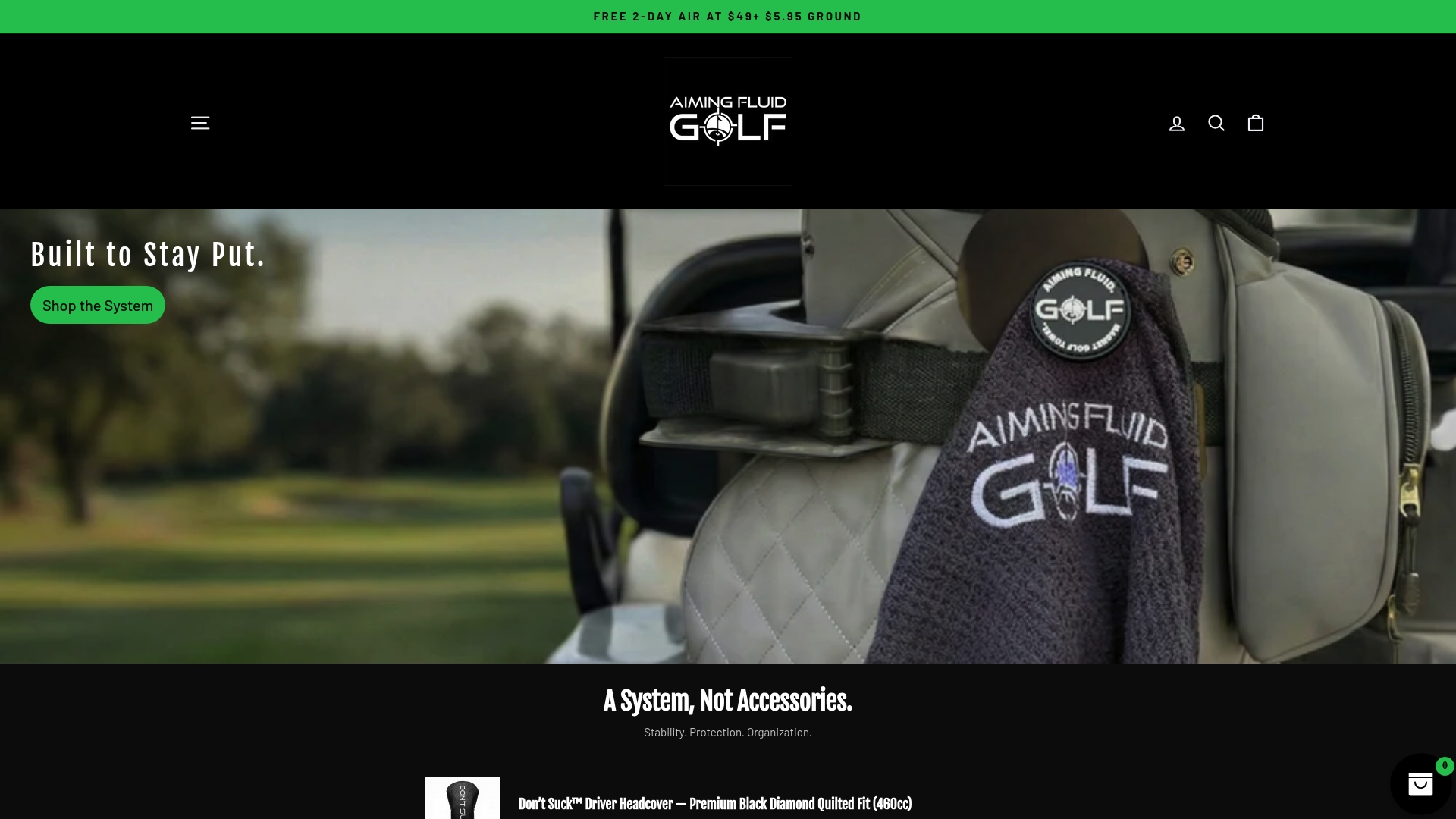
The Magna-Anchor™ Magnetic Golf Towels come in sizes designed for both stand bags and cart setups, and pairing one with a Magnetic Landing Pad gives you a dedicated docking spot instead of hunting for a bare metal ring. Installation is a straightforward stick-and-mount setup on any ferrous bag surface, and the accessories ship with a 12-month warranty and satisfaction guarantee. If you’re tired of retying knots between holes, browse the towel collection and pick the size that matches your bag.
Sources
- Why Does My FootJoy Golf Towel Carabiner Keep Unclipping?
- How to Hang a Golf Towel with a Hole in the Middle
FAQ
How do you attach a towel to your golf bag?
Loop the towel’s center grommet through a D-ring or clip it with a carabiner oriented gate inward and down, then cinch it through its own hole to shorten the drop. Magnetic systems like Magna-Anchor skip the clip step entirely by docking flat against a ferrous surface.
What is the towel trick in golf?
The “towel trick” usually refers to looping a center-hole towel through itself, known as the cinch method, to shorten how far it hangs and keep it off the ground. It’s a common tour and caddie practice that also reduces the swinging motion that causes accidental unclipping.
What is the towel on a golf bag for?
Golfers use it to wipe mud, grass, and moisture off clubs, grips, and golf balls between shots to keep equipment performing consistently. A dry, accessible towel also speeds up pace of play by cutting down the time spent cleaning gear before a shot.
What towel does Rory McIlroy use?
Tour pros’ exact towel brands rotate with sponsorship deals and aren’t consistently documented in public sources, so no verified answer is currently available. What tour setups do consistently show is high, secure mounting, usually via a bag loop or clip positioned for quick access without dragging on the ground.
Why does my towel keep falling off even after I fix the clip?
If the clip is properly oriented and still fails, the culprit is usually a worn grommet, weak spring tension, or a lack of redundancy in the attachment. Adding a second clip or switching to a magnetic dock, like Aiming Fluid Golf’s Magna-Anchor system, removes the single point of failure that keeps causing the problem.


