


TL;DR:
- A structured routine is essential for consistent golf performance, acting as a neurological trigger that shifts focus from analysis to automatic execution. Developing a personalized, simple three-to-five step pre-shot and pre-round routine enhances focus, reduces variability, and builds transferable skills, especially when combined with consequence-based practice that simulates course pressure. Proper organization and deliberate calibration ensure that routines support confidence and calmness, ultimately improving results under pressure.
A structured routine is the single most reliable mechanism a golfer has for producing consistent shots under pressure. Sports psychology research defines pre-shot and pre-round rituals as the bridge between analytical thinking and automatic athletic execution. Without that bridge, decision-making and physical movement stay disconnected, and performance becomes erratic. The role of routine in golf preparation extends well beyond a few practice swings. It governs how you warm up, how you read conditions, how you practice, and how you commit to every shot on the course.
How does routine shape focus and consistency in golf performance?
A pre-shot routine is defined as a repeatable sequence of physical and mental actions performed before each shot to anchor focus and trigger automatic execution. Sports psychology studies demonstrate that these routines bridge mental analysis and athletic action, reducing performance drops under pressure by keeping attention on execution rather than outcome.
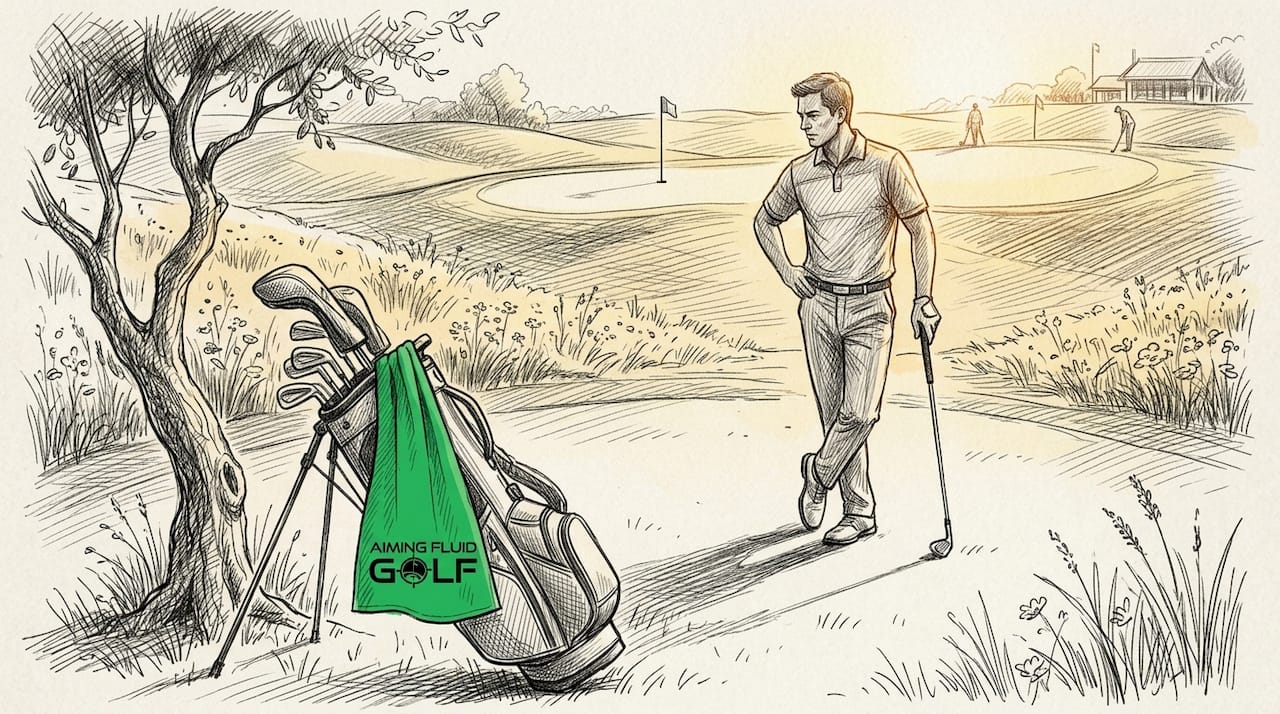
The mechanism works in two phases. First, you assess the shot analytically: distance, lie, wind, target. Then the routine signals your brain to shift from conscious analysis to athletic trust. Without a clear signal, many golfers stay in analytical mode through the swing, which produces tension and inconsistency.
A pre-shot routine acts as a mental bridge, and the final element of that bridge is a commit phase. This is the moment you stop thinking and start swinging. Subtle physical cues, such as a foot shuffle or a specific grip squeeze, function as grounding mechanisms that stabilize attention before the swing begins. These are not superstitions. They are repeatable neurological triggers.
Common pitfalls that undermine routine effectiveness include:
- Rushing the routine under competitive pressure, which skips the commit phase entirely
- Changing routine steps between rounds, which removes the neurological anchor
- Performing the routine mechanically without genuine mental engagement
- Abandoning the routine after a bad shot, which is exactly when it matters most
Pro Tip: Record your pre-shot sequence on video during a practice round. If your routine changes length or steps between shots, you do not yet have a true routine. You have a habit of preparing differently each time.
What are the essential components of an effective pre-round routine?
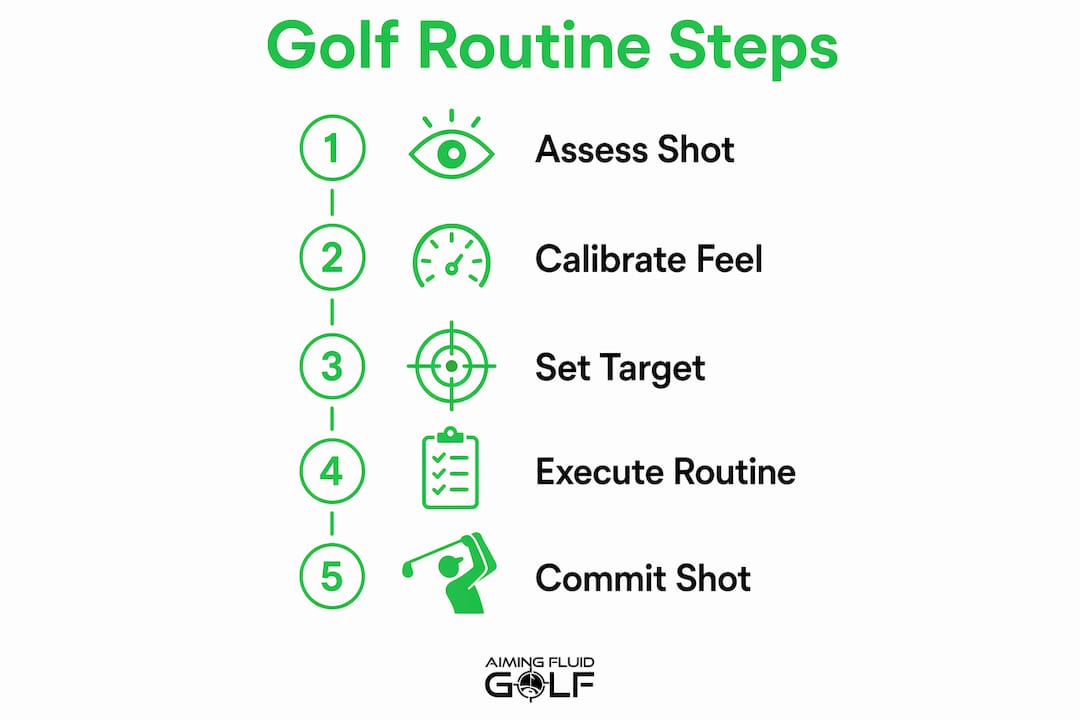
A pre-round routine is not a warm-up in the traditional athletic sense. Its purpose is calibration and readiness, not swing repair. Balanced golf preparation uses a 20 to 45 minute pre-round sequence that begins at the putting green, not the driving range. This sequencing matters because it prevents mental clutter and miscalibration.
Here is a structured pre-round sequence used by high-level players:
- Putting green first. Start with long putts of 30 to 40 feet to assess green speed and slope. This calibrates your feel before any full swing motion enters your body. Rushing to the range first means you arrive on the first green with no reference point for pace.
- Chipping and pitching calibration. Hit 10 to 15 short game shots from different lies to establish feel for turf firmness and ball flight. Short game calibration before full swings reduces mental noise and sets realistic expectations for the round.
- Environmental assessment. High-level players begin preparation by understanding course conditions, including green speed, firmness, and wind, before any full-swing warm-up. This enables confident strategic choices rather than reactive adjustments mid-round.
- Paced progression through the bag. Move from wedges to mid-irons to driver, focusing on tempo and rhythm rather than swing mechanics. Elite warm-ups emphasize mental calm and rhythmic breathing over technical perfection, which lowers mental noise before the first tee.
- Mental rehearsal. Spend two to three minutes visualizing your first three holes. Identify the shot shape you want to hit on the opening tee. This primes your motor system and sets emotional tone before competition begins.
Pro Tip: Treat the pre-round routine as preparation, not practice. If you find a swing flaw during warm-up, note it for your next lesson and move on. Trying to fix mechanics 20 minutes before a round is one of the most common ways amateurs undermine their own confidence.
For a structured physical sequence, the 10-minute pre-round warm-up from Aimingfluidgolf covers injury prevention and distance preparation in a time-efficient format.
How does consequence-based practice improve routine transferability?
Most golfers practice in a way that feels productive but does not transfer to the course. Hitting 50 balls to the same target from the same lie builds repetition confidence, not course readiness. Golf practice frequently fails to transfer because the range environment lacks consequence. When every shot has a free retry, your brain never learns to commit fully.
The table below shows the difference between standard range practice and consequence-based practice:
| Practice type | Characteristics | Transfer to course |
|---|---|---|
| Repetitive range practice | Same target, same club, unlimited attempts | Low. Builds false confidence without pressure simulation |
| Consequence-based practice | One ball, one location, one attempt, scored | High. Simulates decision-making and commitment under pressure |
| Random practice | Alternating clubs, targets, and lies each shot | High. Mirrors the variability of actual course conditions |
Professional golfers dedicate over 50% of practice time to the short game, where 60% of total strokes occur. They use a one ball, one location, one chance methodology that forces full commitment to each shot. This is the same mental state required on the course, and practicing it repeatedly builds the habit of genuine commitment.
Consequence-based practice also requires integrating your full pre-shot routine into every practice shot. If you skip the routine on the range, you train yourself to swing without it. When pressure arrives on the course, the routine will feel unfamiliar precisely when you need it most.
Key principles for consequence-based practice:
- Track a score for every practice session, even informal ones
- Change clubs and targets after every shot to prevent pattern repetition
- Use your complete pre-shot routine before every practice shot, not just on the course
- Dedicate the majority of practice time to shots inside 100 yards
Amateurs falsely gain confidence from repeating identical shots. Professionals use consequence-based practice to mimic course variability and pressure. The distinction explains why many golfers who hit the ball well on the range struggle to replicate that performance under competitive conditions.
How can you build and personalize your golf routine?
Building a routine that works for you requires self-assessment before adding structure. Tommy Fleetwood, for example, begins practice with calibration of feel and ball flight before any target-focused work. This approach reduces mental clutter and frees athletic motion. The principle applies directly to amateurs: know what you need to calibrate before you decide what your routine should contain.
Start by identifying your two or three most common swing tendencies under pressure. If you tend to rush your tempo when nervous, your routine needs a deliberate pause before the backswing. If you lose target focus, your routine needs a stronger visualization step. The routine should address your specific failure modes, not a generic checklist.
Practical steps for building your personalized routine:
- Audit your current habits. Play a casual round and note what you do before each shot. Most golfers have an inconsistent informal routine they are not aware of.
- Select three to five repeatable steps. Keep it short enough to complete in 20 to 30 seconds. Longer routines create more opportunities for disruption.
- Build from the environment inward. Start with course assessment, then target selection, then physical alignment, then the commit cue.
- Practice the routine in low-stakes settings first. Embed it during casual rounds before testing it under competitive pressure.
- Refine based on feedback. After each round, note which shots felt committed and which felt rushed. Adjust the routine accordingly.
Avoid overcomplicating the sequence. A routine with seven steps that you cannot complete consistently is less effective than a three-step routine you execute identically every time. Consistency is the mechanism. The specific steps matter less than the repeatability. For a detailed framework, the step-by-step practice routine from Aimingfluidgolf provides a structured approach to building transferable habits.
Key takeaways
Structured pre-shot and pre-round routines are the most reliable mechanism for reducing performance variability and building transferable skills from practice to course play.
| Point | Details |
|---|---|
| Pre-shot routine function | Acts as a neurological commit signal, shifting focus from analysis to automatic execution. |
| Pre-round sequence order | Begin at the putting green to calibrate feel before any full-swing warm-up. |
| Consequence-based practice | One ball, one attempt, scored sessions transfer far better than repetitive range work. |
| Routine personalization | Identify your specific failure modes under pressure and build routine steps that address them. |
| Consistency over complexity | A three-step routine executed identically every time outperforms a seven-step routine done inconsistently. |
Why most golfers underestimate what a routine actually does
Gary here. After observing golfers at every level, the most consistent pattern I see is this: amateurs treat the pre-shot routine as a formality, something you do because you saw a tour player do it. They go through the motions without genuine mental engagement, and then wonder why their range game does not show up on the course.
The routine is not theater. It is a neurological protocol. When you perform the same sequence of actions before every shot, you are training your nervous system to recognize a specific state as “ready to execute.” Over time, that sequence becomes a reliable on-switch. Skip it or rush it, and you are swinging without the switch being flipped.
The other mistake I see constantly is treating warm-up as a practice session. Golfers arrive 20 minutes before their tee time and spend it trying to fix their driver. They walk to the first tee frustrated and technically confused. A warm-up should leave you feeling calibrated and calm, not mechanically preoccupied. The golf round preparation guide from Aimingfluidgolf covers this distinction clearly.
Start simple. Pick three steps. Do them the same way every time for 30 rounds. Then assess whether your performance under pressure has stabilized. I am confident it will.
— Gary
Gear that supports your preparation routine

A well-designed routine depends partly on having equipment that is organized and immediately accessible. When your towel is buried in your bag or your tees are scattered across three pockets, your pre-shot sequence gets interrupted before it starts. Aimingfluidgolf designs accessories specifically to solve that problem. The magnetic towel and landing pad system keeps your towel accessible without searching, and the precision tee range keeps your setup consistent from the first hole to the last. Explore the full best golf accessories selection to find gear that supports your preparation without adding friction to your game.
FAQ
What is the role of routine in golf preparation?
A routine in golf preparation is a repeatable sequence of physical and mental steps that anchors focus, calibrates feel, and triggers automatic execution before and during a round. It reduces performance variability by creating a consistent neurological state before each shot.
How long should a pre-round golf routine take?
A pre-round routine should take 20 to 45 minutes, beginning at the putting green for feel calibration before progressing to short game and then full swings. Rushing this sequence or skipping putting calibration increases the likelihood of a poor start on the first few holes.
Why does practice not always transfer to the course?
Practice fails to transfer when it lacks consequence. Hitting unlimited attempts to the same target builds repetition confidence without simulating the commitment required on the course. Consequence-based practice, using one ball per shot with tracked scoring, closes that gap.
How do pre-shot routines reduce pressure effects?
Pre-shot routines reduce pressure effects by shifting attention from outcome to process. The physical steps of the routine occupy conscious attention, which prevents anxiety from interfering with the automatic motor patterns required for a consistent swing.
How do you personalize a golf routine?
Identify your two or three most common failure modes under pressure, then build routine steps that directly address them. Keep the sequence to three to five steps, practice it in low-stakes rounds first, and refine based on which shots felt committed versus rushed.


