


TL;DR:
- Gear reliability ensures that golf equipment performs consistently without failure during rounds. Unreliable gear causes interruptions, increases mental load, and negatively impacts performance under pressure. Proper selection, maintenance, and understanding of factors affecting durability can enhance reliability and overall game quality.
Gear reliability is defined as the consistent, failure-free performance of golf equipment under normal and competitive conditions. When your gear fails mid-round, it does more than cost you a shot. It breaks your focus, disrupts your rhythm, and compounds mental pressure at the worst possible moment. The role of gear reliability in golf is not a secondary concern. It is the foundation that every other performance variable sits on. Aimingfluidgolf builds accessories with this principle at the center: every product must perform the same way on hole 1 as it does on hole 18.
How does gear reliability influence golf performance?
Reliable gear removes a category of failure from your round entirely. When your tee snaps, your divot tool jams, or your towel is buried somewhere in your bag, you lose seconds and mental bandwidth. Those micro-interruptions accumulate. Micro-inconsistencies in gear affect reaction time and cognitive load during competition, which means unreliable equipment is not just inconvenient. It is a measurable performance liability.
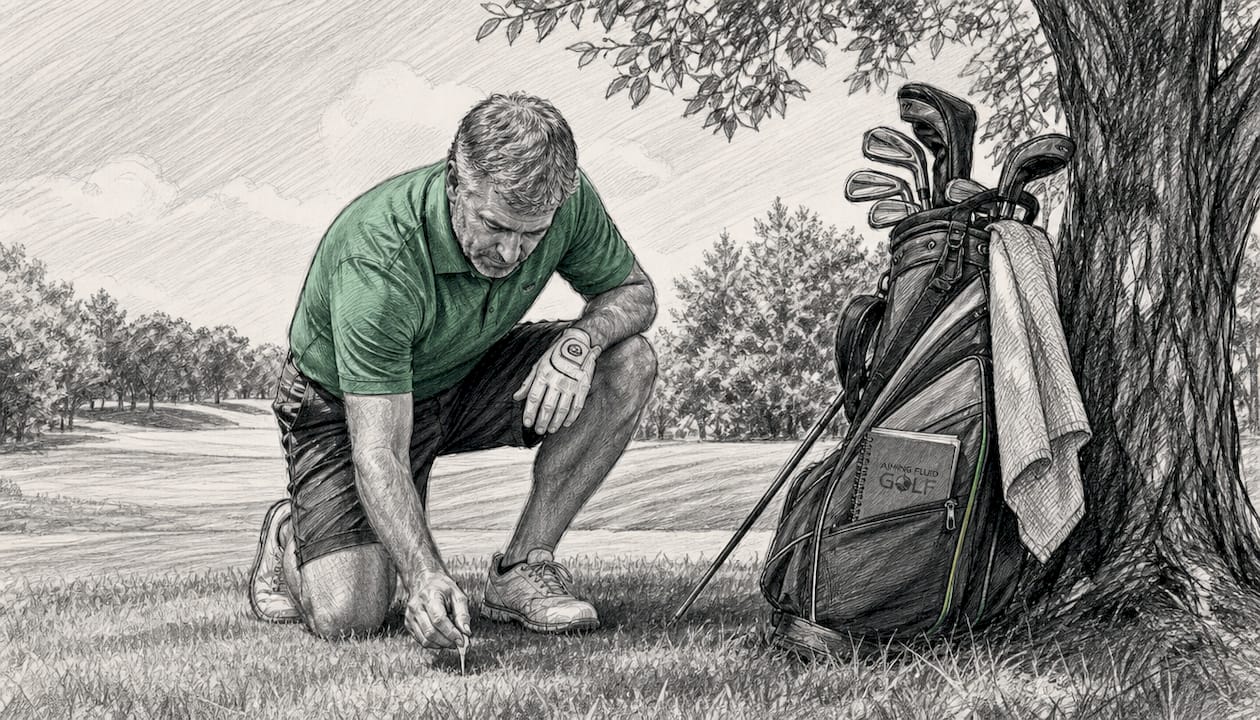
The connection between gear consistency and swing mechanics is direct. When you reach for a tee and it behaves the same way every time, your pre-shot routine stays intact. When your towel is always in the same place, you spend zero mental energy locating it. That predictability compounds across 18 holes into a calmer, more focused round.
Players using authentic, reliable equipment record 7% fewer technical forfeits in tournaments compared to those using unverified substitutes. That figure reflects a real pattern: gear that performs consistently under pressure keeps players in the game longer. The benefit of reliable gears is not just mechanical. It is psychological.
Long-term satisfaction also tracks with gear reliability. Golfers who invest in equipment that holds up over seasons report fewer frustrations and lower total replacement costs. Total cost of ownership, not initial price, determines real value. Inexpensive gear often carries hidden costs from frequent replacements and unexpected failures.
Pro Tip: Track how often you replace consumable items like tees, towels, and divot tools. High replacement frequency is a direct signal of low reliability in your current gear setup.
- Consistent gear reduces pre-shot routine disruptions
- Reliable accessories support repeatable swing mechanics
- Authentic equipment correlates with fewer tournament errors
- Lower total cost of ownership comes from fewer replacements
- Mental focus improves when gear behaves predictably every time
What factors affect the reliability of golf gear?
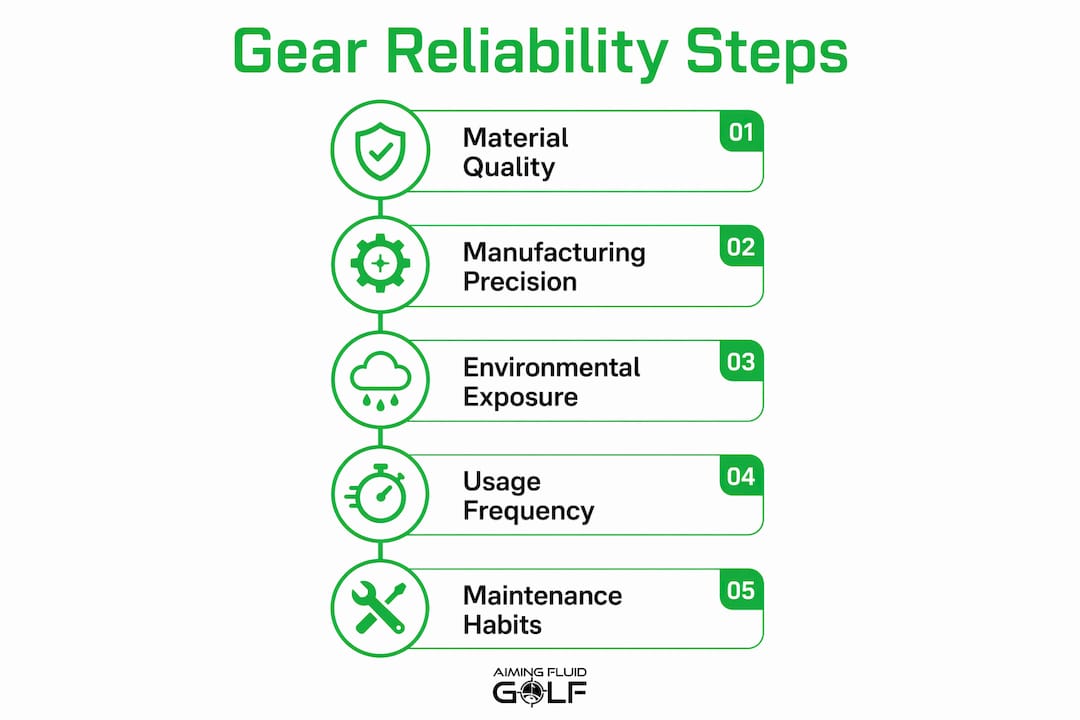
Several technical and environmental variables determine how long golf gear performs without failure. Understanding these factors helps you make better purchasing decisions and extend the life of what you already own.
-
Material quality. The base material determines durability ceiling. Gear made from low-grade polymers or thin metals degrades faster under UV exposure, moisture, and repeated mechanical stress. High-end materials like reinforced nylon, aircraft-grade aluminum, and full-grain leather hold their structural integrity far longer.
-
Manufacturing precision. Tight tolerances in production reduce the chance of early failure. A divot tool with a loose hinge or a tee with inconsistent wall thickness will fail sooner than one built to tighter specifications. Wear failure probability approaches 0.97 at 20 years of service in gear systems unless design optimization keeps reliability above 0.94. The principle applies directly to golf accessories: poor manufacturing accelerates degradation.
-
Environmental exposure. Moisture, temperature swings, and UV radiation all degrade materials over time. A towel left damp in a bag grows mildew and weakens fiber bonds. Metal tools exposed to salt air corrode faster. Golfers who play in humid or coastal climates face accelerated wear on every piece of gear they carry.
-
Usage patterns. Frequency of use and handling habits matter. A golfer who plays five rounds per week puts far more mechanical stress on their accessories than a weekend player. Rough handling, dropping gear on cart paths, and overstuffing bags all introduce stress that shortens product life.
-
Maintenance habits. Cleaning, drying, and inspecting gear after each round extends its functional life. A routine maintenance schedule and documented gear checklists significantly reduce the risk of unexpected equipment failure during critical events.
| Factor | Impact on reliability | Mitigation |
|---|---|---|
| Material quality | Determines durability ceiling | Choose gear with verified material specs |
| Manufacturing precision | Affects failure rate under stress | Buy from brands with quality standards |
| Environmental exposure | Accelerates wear and corrosion | Store gear dry, use protective covers |
| Usage frequency | Increases mechanical fatigue | Inspect gear more often with heavy use |
| Maintenance habits | Extends or shortens functional life | Clean and dry gear after every round |
The gap between high-end and generic gear becomes most visible under stress. In harsh operating environments, tooth fracture accounts for approximately 75% of gear failures due to shock loads. The lesson for golfers is the same: gear that looks adequate under low-stress conditions often fails when conditions get demanding.
How can golfers select and maintain gear to maximize reliability?
Selecting reliable golf gear starts before you buy. The ergonomic design of golf gear affects not just comfort but how long a product holds up under repeated use. Gear designed with function in mind tends to outlast gear designed for appearance.
Identifying authentic, high-quality gear:
- Look for brands that publish material specifications, not just marketing descriptions
- Check for warranty coverage that reflects the manufacturer’s confidence in the product
- Prioritize products with documented quality control processes
- Avoid gear with no country of origin, no material disclosure, or no return policy
- Read reviews that specifically mention long-term durability, not just first impressions
Pro Tip: Before buying any golf accessory, ask one question: “Does this product solve a specific problem, or does it just look good?” Gear built around a real function almost always outlasts gear built around aesthetics.
Routine inspection is the single most underused maintenance habit among amateur golfers. After each round, check your tees for cracks, your divot tool for hinge integrity, and your towel for fraying or mildew. Catching small issues early prevents mid-round failures.
Storage matters more than most golfers realize. Keeping gear in a dry, temperature-stable environment prevents the material degradation that moisture and heat cause. A well-prepared gear setup starts with how you store equipment between rounds, not just how you use it on the course.
Procedural discipline and documented configurations in gear setups reduce unexpected failures and improve performance consistency under pressure. For golfers, this means keeping a consistent bag layout, replacing worn items on a schedule, and not improvising with unfamiliar gear before a competitive round.
Warranty and after-sale support are underrated selection criteria. A brand that backs its products with a clear warranty signals confidence in its manufacturing standards. When gear does fail, fast replacement support keeps your setup intact without disrupting your game.
What are common misconceptions about gear reliability in golf?
The most damaging misconception is that price equals reliability. Expensive gear can fail just as quickly as budget gear if the design is poor or the materials are mismatched to the use case. Reliable gear often means “boring” tech that eliminates unnecessary failure points during real use. The flashiest product on the shelf is not always the most dependable one on the course.
A second misconception is that reliability is about initial performance only. A product that works perfectly out of the box but degrades within three months is not reliable. True reliability is measured over time and across varied conditions. Golfers who evaluate gear only on first use miss the most important part of the assessment.
“Gear that performs well under controlled, low-stress environments may fail under dynamic, high-stress use. For competition, simple and reliable technology is preferable to complex and novel technology. The goal is to eliminate failure points, not add features.”
A third misconception is that maintenance can compensate for poor build quality. Cleaning and inspecting gear extends the life of well-made products. It cannot rescue fundamentally flawed ones. Reliability is an integrated metric affecting overall system performance. A weak link in your gear setup degrades the whole system, regardless of how well you care for the other components.
The fourth misconception is that newer automatically means better. Newer products may introduce untested failure modes. Players favor reliable gear over novelty to reduce mental distractions and maintain sharp focus during competition. Proven gear with a track record of consistent performance is almost always the better choice for serious golfers.
Key Takeaways
Gear reliability is the single most controllable factor in consistent golf performance, and it depends on material quality, maintenance discipline, and selecting products built for real-use conditions.
| Point | Details |
|---|---|
| Reliability drives performance | Consistent gear reduces cognitive load and supports repeatable swing mechanics every round. |
| Material and build quality matter most | High-grade materials and tight manufacturing tolerances determine how long gear holds up under stress. |
| Maintenance extends functional life | Routine inspection, cleaning, and dry storage prevent premature failure in otherwise sound equipment. |
| Price does not equal reliability | Total cost of ownership is the right metric; cheap gear often costs more through frequent replacements. |
| System-level thinking wins | Gear reliability is an integrated property; one weak accessory degrades the performance of your full setup. |
Why I think golfers underestimate gear reliability until it costs them
Most golfers I have spoken with think about gear reliability only after something breaks. A tee snaps on the first tee of a club championship. A divot tool falls apart on the back nine of a qualifying round. The frustration is immediate, but the real damage is the mental disruption that follows. You spend the next two holes thinking about the equipment, not the shot.
What I have found is that golfers who treat their gear as a system, not a collection of individual items, perform more consistently. When every accessory in your bag has a defined place, a known lifespan, and a replacement schedule, your bag stops being a source of uncertainty. It becomes a source of confidence. That shift in mindset is worth more than any single equipment upgrade.
The golfers who get this right are not necessarily the ones with the most expensive gear. They are the ones who prioritize premium, proven equipment and maintain it with the same discipline they bring to their swing. Reliability is not a product feature. It is a practice.
— Gary
Reliable golf accessories built for consistent play
Aimingfluidgolf designs accessories around one standard: every product must perform the same way under pressure as it does in practice. The magnetic towel and landing pad system keeps your towel accessible without searching your bag. The DON’T SUCK™ tees are built to consistent tolerances so your tee height never varies. The 5-in-1 divot tool is engineered to hold up across thousands of uses without hinge failure.
Every item in the Aimingfluidgolf lineup is selected for durability, function, and long-term consistency. If you want gear that removes uncertainty from your round, the best golf accessories page is the right place to start. Browse by category, read the specs, and build a setup you can trust from the first tee to the last green.
FAQ
What is gear reliability in golf?
Gear reliability in golf is the consistent, failure-free performance of equipment across normal and competitive conditions. Reliable gear behaves the same way every round, reducing interruptions and supporting repeatable play.
Why does gear reliability matter in tournaments?
Tournament conditions amplify every equipment failure. Players using authentic, reliable equipment record 7% fewer technical forfeits in tournaments, and micro-inconsistencies in gear measurably increase cognitive load during competition.
What are the main factors affecting golf gear reliability?
Material quality, manufacturing precision, environmental exposure, usage frequency, and maintenance habits all directly affect how long golf gear performs without failure. Poor materials and infrequent maintenance are the two most common causes of early breakdown.
How can I maintain golf gear to improve reliability?
Inspect gear after every round, clean and dry all accessories before storage, and replace worn items on a set schedule. Documented gear checklists and consistent bag layouts reduce the chance of unexpected failures during important rounds.
Does spending more money guarantee more reliable golf gear?
No. Price does not equal reliability. Total cost of ownership is the correct metric, and inexpensive gear often costs more over time through frequent replacements. The best indicator of reliability is material specification, warranty coverage, and verified long-term performance.


