


Understanding golf accessory terminology isn’t just about knowing fancy words. It’s about transforming how you organize, access, and use your equipment on the course. When you grasp what ergonomic grips, 14-way dividers, and putter wells actually mean and why they matter, you unlock faster play, better protection for your gear, and less frustration during every round. This guide breaks down the essential terms that separate organized golfers from those constantly searching their bags.
Table of Contents
- Understanding Ergonomic Golf Accessories And Their Impact
- Golf Bag Organization Terminology: Dividers, Wells, And Strategic Placement
- Common Terminology Pitfalls And Best Practices In Golf Accessory Organization
- Applying Golf Accessory Terminology To Enhance Your On-Course Efficiency
- Explore Premium Golf Accessories To Boost Your Game
Key takeaways
| Point | Details |
|---|---|
| Ergonomic accessories reduce strain | These designs cut perceived exertion by 20% and boost shot accuracy by up to 10%. |
| 14-way dividers protect clubs | They reduce club wear by 30% compared to simpler divider systems. |
| Strategic placement saves time | Organized golfers save 15-20 seconds per shot, adding up to minutes saved per round. |
| Putter wells prevent damage | Dedicated wells accommodate oversized grips and allow instant putter access. |
| Terminology clarity improves play | Understanding accessory terms leads directly to better organization and faster rounds. |
Understanding ergonomic golf accessories and their impact
Ergonomic design in golf accessories refers to equipment engineered to fit the natural contours and movements of your body. This isn’t marketing fluff. It’s about reducing physical strain during a four-hour round.
Push carts represent one of the clearest examples. Traditional pull carts force you into awkward postures that stress your shoulders and back. Ergonomic push carts position handles at natural arm height and distribute weight evenly across the frame. Golfers using ergonomic push carts report a 20% decrease in perceived exertion compared to traditional pull carts.
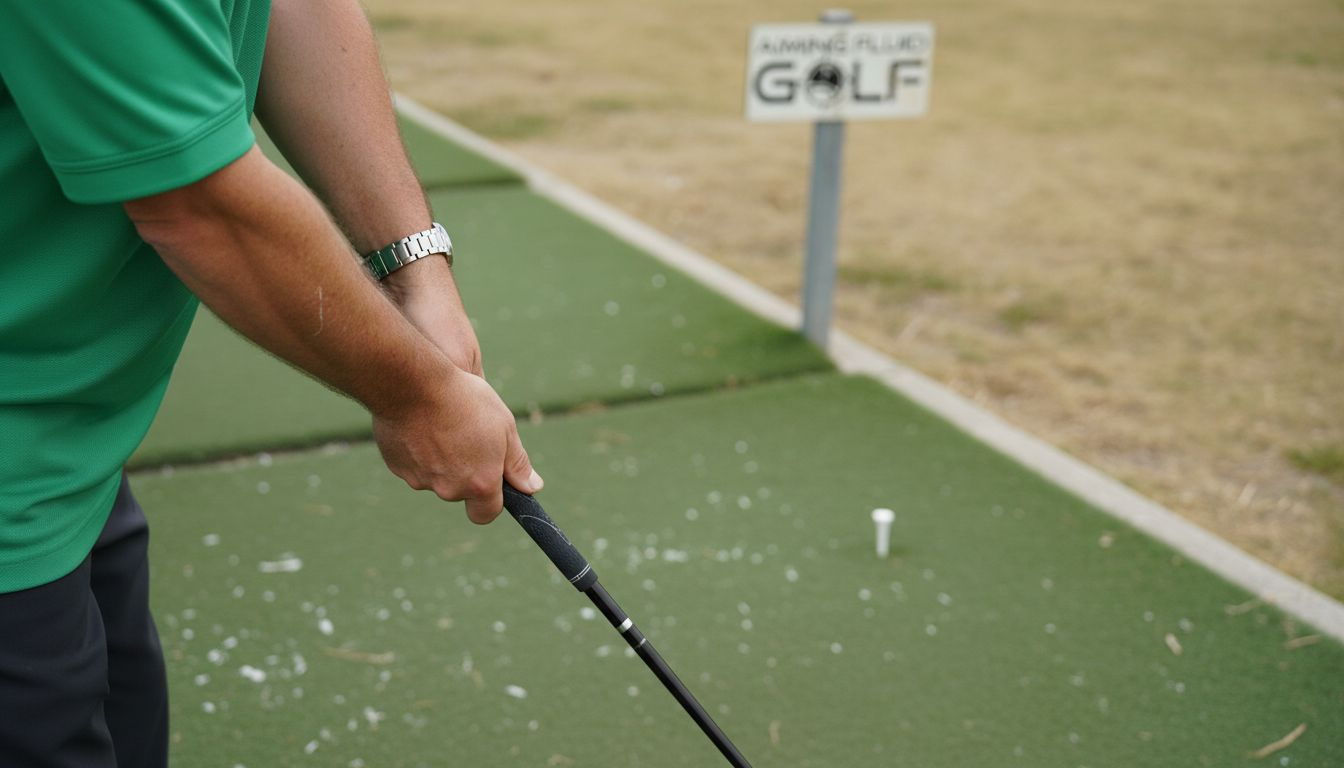
Club grips are another critical application. Standard grips often create pressure points that fatigue your hands and reduce control. Ergonomic grips feature contoured surfaces that match how your fingers naturally wrap around the club. The result? Improved shot accuracy by 5-10% because you maintain consistent grip pressure throughout your swing.
These improvements matter beyond comfort. When you’re not fighting fatigue or compensating for poor equipment design, you make better decisions and execute shots more consistently. Your mental game stays sharper when your body isn’t screaming for relief.
Pro Tip: Test ergonomic accessories during a practice round before committing. What feels comfortable in the shop might reveal issues after nine holes. Pay attention to grip pressure, shoulder tension, and overall fatigue levels.
Key ergonomic features to look for:
- Contoured surfaces that match natural hand positions
- Adjustable components for personalized fit
- Weight distribution that minimizes strain on joints
- Materials that absorb shock and vibration
The connection between ergonomic design and performance is clear. Smart design golf accessories prioritize function over flash, delivering measurable benefits that show up in your scores and how you feel after 18 holes.
Golf bag organization terminology: dividers, wells, and strategic placement
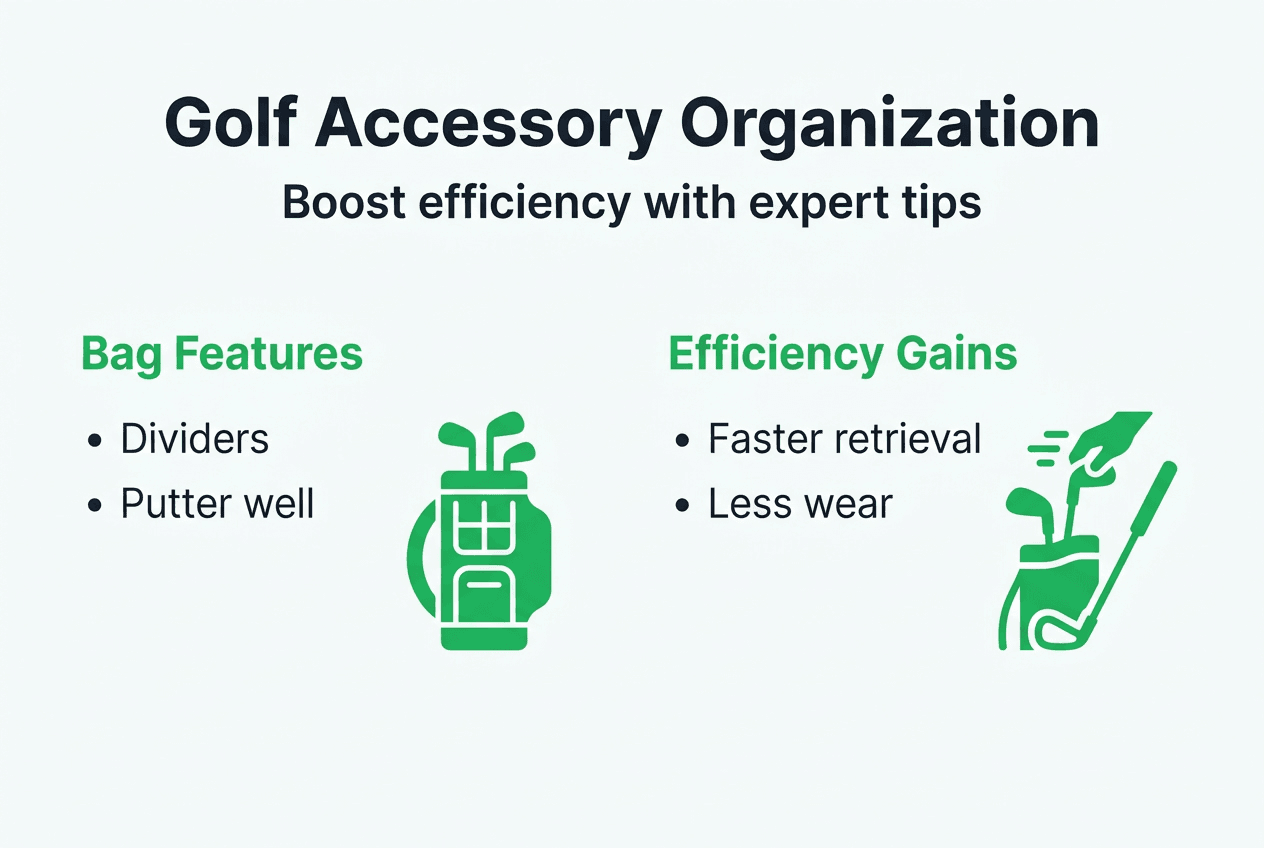
A 14-way divider system creates individual slots for each club in your bag. Unlike 4-way or 6-way systems that group clubs together, full-length 14-way dividers extend from the top of the bag to the bottom. This prevents clubs from tangling and eliminates the grinding that damages shafts and clubheads.
The protective advantage is significant. 14-way divider bags reduce club wear by up to 30% compared to fewer dividers. When clubs can’t knock against each other during transport, your investment in quality equipment lasts longer.
Putter wells deserve special attention. These are dedicated compartments, typically located on the outside of the bag, designed specifically for putters. Modern putters often feature oversized grips that don’t fit well in standard club slots. A proper putter well accommodates these grips while keeping your putter separate from irons and woods that could scratch its finish.
Strategic club placement goes beyond just using the dividers. You should arrange clubs by both length and frequency of use. Longer clubs like drivers and woods go in back slots, mid-irons in the middle, and short irons and wedges toward the front. This creates a natural progression that matches how you reach for clubs during play.
Strategic club placement reduces retrieval time by about 10 seconds per use. That might not sound dramatic, but multiply it across 40-50 club selections per round. You’re looking at saving 7-8 minutes, which directly improves pace of play and reduces pressure from groups behind you.
Here’s how different divider systems compare:
| Divider Type | Club Protection | Organization Level | Best For |
|---|---|---|---|
| 4-way | Basic | Low | Budget-conscious beginners |
| 6-way | Moderate | Medium | Casual weekend golfers |
| 14-way | Excellent | High | Serious players prioritizing equipment care |
Pro Tip: Label your dividers with tape or markers during initial setup. It takes 3-4 rounds to memorize your system, and labels prevent you from disrupting the organization while your muscle memory develops.
Phil Mickelson emphasizes that club organization should be proactive, not reactive. Set up your system at home, not on the first tee when you’re rushed. The premium 14-way golf cart bag exemplifies this principle with full-length dividers that make organization automatic.
When you organize your golf bag like a pro, you’re not just following a system. You’re building habits that compound over dozens of rounds into measurable time savings and reduced equipment damage.
Common terminology pitfalls and best practices in golf accessory organization
Misunderstanding golf accessory terms leads to practical problems on the course. When you confuse a cart bag with a stand bag, you might buy equipment that doesn’t fit your typical play style. When you ignore what “full-length dividers” actually means, you end up with a bag that allows club tangling.
The top three terminology pitfalls:
- Assuming all divider systems provide equal protection
- Confusing ergonomic features with premium pricing without understanding functional benefits
- Overlooking the difference between accessory pockets and dedicated compartments
Neglecting accessory placement within bags leads to disorganization and delays during play. You spend mental energy remembering where you put your rangefinder or ball markers instead of focusing on your next shot.
Best practices for terminology clarity start with understanding the purpose behind each term. “Water-resistant” isn’t the same as “waterproof.” A “cooler pocket” should actually insulate, not just provide storage space. “Quick-access pockets” need to open easily with one hand while you’re standing over your bag.
Follow this step-by-step organization sequence:
- Empty your entire bag and clean all compartments
- Group accessories by category: balls, tees, tools, personal items, valuables
- Assign each category to specific pockets based on access frequency
- Place frequently used items in quick-access pockets
- Store valuables in lined, secure compartments
- Keep rain gear and extra layers in larger, easily accessible pockets
- Test your system during a practice round and adjust
As one equipment expert warns:
Golfers who treat accessory organization as an afterthought consistently report higher frustration levels and slower pace of play. The five minutes you invest in proper setup saves hours of searching over a season.
The correlation between terminology understanding and play efficiency is direct. When you know what terms mean, you make informed decisions about equipment purchases and organization strategies. This knowledge translates to faster club selection, less time searching for accessories, and more mental bandwidth for actually playing golf.
Golf bag systems that integrate terminology into their design philosophy make organization intuitive. You don’t need to remember complex rules because the bag’s structure guides you toward optimal placement.
Learning to organize your golf bag like a low handicap player means understanding why certain organizational principles work, not just following them blindly. The terminology gives you the framework to adapt systems to your specific needs and playing style.
Applying golf accessory terminology to enhance your on-course efficiency
Putting terminology knowledge into practice requires a systematic approach. Start by auditing your current setup against proper organizational principles. Are your clubs arranged by length? Do you have dedicated spaces for different accessory categories? Can you access your most-used items without unzipping multiple pockets?
Here’s your implementation sequence:
- Map your typical round to identify which accessories you use most frequently
- Assign premium pocket space to high-frequency items like tees, ball markers, and divot tools
- Position your rangefinder or GPS device in a magnetic or quick-release pocket
- Store backup balls in a dedicated ball pocket, organized by type or condition
- Place your golf towel where it’s instantly accessible without searching
- Keep rain gear compressed but ready in a large side pocket
- Store valuables in a lined pocket closest to your body when carrying
Organized golfers save 15-20 seconds per shot searching time. Over an 18-hole round with 80-90 total strokes, that’s 20-30 minutes saved. This isn’t just about speed. It’s about maintaining rhythm and focus.
Compare accessory types and their optimal uses:
| Accessory Type | Primary Purpose | Best Pocket Location | Access Frequency |
|---|---|---|---|
| Rangefinder | Distance measurement | Magnetic side pocket | Every hole |
| Ball markers | Marking position | Quick-access top pocket | 15-18 times per round |
| Divot tool | Course repair | Quick-access top pocket | 10-15 times per round |
| Extra gloves | Hand protection | Dry apparel pocket | As needed |
| Sunscreen | Skin protection | Insulated pocket | 2-3 times per round |
Pro Tip: Match your accessory organization to the course layout. Links courses require more wind and rain gear easily accessible. Hilly courses mean keeping hydration and energy snacks in external pockets for quick access without stopping.
Your golf bag essentials checklist for 2026 should reflect both standard must-haves and course-specific items. Desert courses demand extra sun protection and hydration. Courses with tight fairways might require more backup balls in premium condition.
The best 15-way cart bag designs incorporate terminology-driven organization into their structure. Magnetic pockets, insulated compartments, and full-length dividers aren’t luxury features. They’re functional elements that directly support the organizational principles we’ve discussed.
Terminology mastery leads to confident equipment decisions. When you understand what makes a divider system effective or why ergonomic design matters, you can evaluate products based on performance rather than marketing claims. This knowledge saves money by preventing purchases that don’t align with your actual needs.
The compound effect of small efficiency gains adds up dramatically over a season. Saving 20 seconds per shot, protecting your clubs from 30% more wear, and reducing physical fatigue by 20% aren’t isolated benefits. They work together to improve your entire golf experience from the first tee to the 18th green.
Explore premium golf accessories to boost your game
Now that you understand the terminology that drives efficient golf accessory design, it’s time to see these principles in action. Aiming Fluid Golf specializes in premium accessories engineered around the organizational and ergonomic concepts we’ve covered.

Our magnetic golf towel system exemplifies smart accessory design. Instead of clipping a towel to your bag where it collects dirt and requires two hands to access, our magnetic system lets you grab and return your towel instantly with one hand. This seemingly small improvement saves seconds on every shot where you need to clean your club or ball.
Explore our best golf accessories expert picks to see how premium materials and thoughtful design solve real on-course problems. From precision tees that ensure consistent height to divot tools that repair ball marks properly, each product reflects the terminology and principles that separate functional gear from novelty items.
Our comprehensive 2026 golf accessories guide helps you build a complete accessory system optimized for your playing style. Whether you walk or ride, play in varied weather, or prioritize tournament-level organization, you’ll find curated recommendations based on the efficiency principles we’ve discussed.
Check out our magnetic golf towel collection to experience how proper accessory design improves pace of play and keeps your equipment clean and ready.
Frequently asked questions
What is a 14-way divider in a golf bag and why is it important?
A 14-way divider creates individual slots for each club, preventing them from tangling or grinding against each other during transport. This system reduces club wear by up to 30% compared to bags with fewer dividers. The organization also makes club selection faster since each club has a dedicated home you can locate by feel.
How do ergonomic grips improve golf performance?
Ergonomic grips feature contoured surfaces that match your natural hand position, reducing pressure points and fatigue. This design improvement leads to 5-10% better shot accuracy because you maintain consistent grip pressure throughout your swing. The reduced hand strain also helps you stay comfortable during long practice sessions or 36-hole days.
What are the advantages of a dedicated putter well in a golf bag?
A dedicated putter well protects your putter from damage by keeping it separate from other clubs that could scratch its finish. These wells accommodate oversized putter grips that don’t fit standard club slots. The external placement allows instant putter access without digging through your bag, maintaining pace of play.
How does organizing a golf bag improve pace of play?
Proper organization reduces the time you spend searching for clubs and accessories by 15-20 seconds per shot. Over 18 holes with 80-90 strokes, this saves 20-30 minutes per round. Beyond speed, organization helps you maintain rhythm and focus by eliminating the distraction of searching through your bag.
Recommended
- Smart design in golf accessories for efficient play in 2026 – Aiming Fluid Golf
- Golf gear terminology explained: master premium accessories – Aiming Fluid Golf
- Best Golf Accessories – Top Picks From Aiming Fluid Golf
- Best Golf Gifts 2026 – Aiming Fluid Golf Accessories & Funny Gifts
- Golf Golfing Sporting Shirt | Athlete Silhouettes | Unisex Soft Style – ChillStitchApparel


