


TL;DR:
- A proper winter golf system involves layered clothing, specialized gloves, and low-compression balls to maintain warmth without restricting movement. Using purpose-designed hybrid outerwear and accessories ensures comfort, mobility, and better performance in cold conditions. Dressing for performance rather than warmth alone is essential to improve swing mechanics and enjoy colder-round play.
A cold weather golf gear checklist is a structured system of layered clothing, specialized gloves, winter-optimized balls, and performance accessories designed to maintain warmth without restricting swing motion. Bulk is the enemy of the winter golfer. The right winter golf apparel strategy starts with moisture-wicking base layers, builds through thermal mid-layers, and finishes with a wind-resistant outer shell. Brands like FootJoy, Under Armour, and Patagonia each address a different layer of this system. Get the layering right, and cold rounds become genuinely playable.
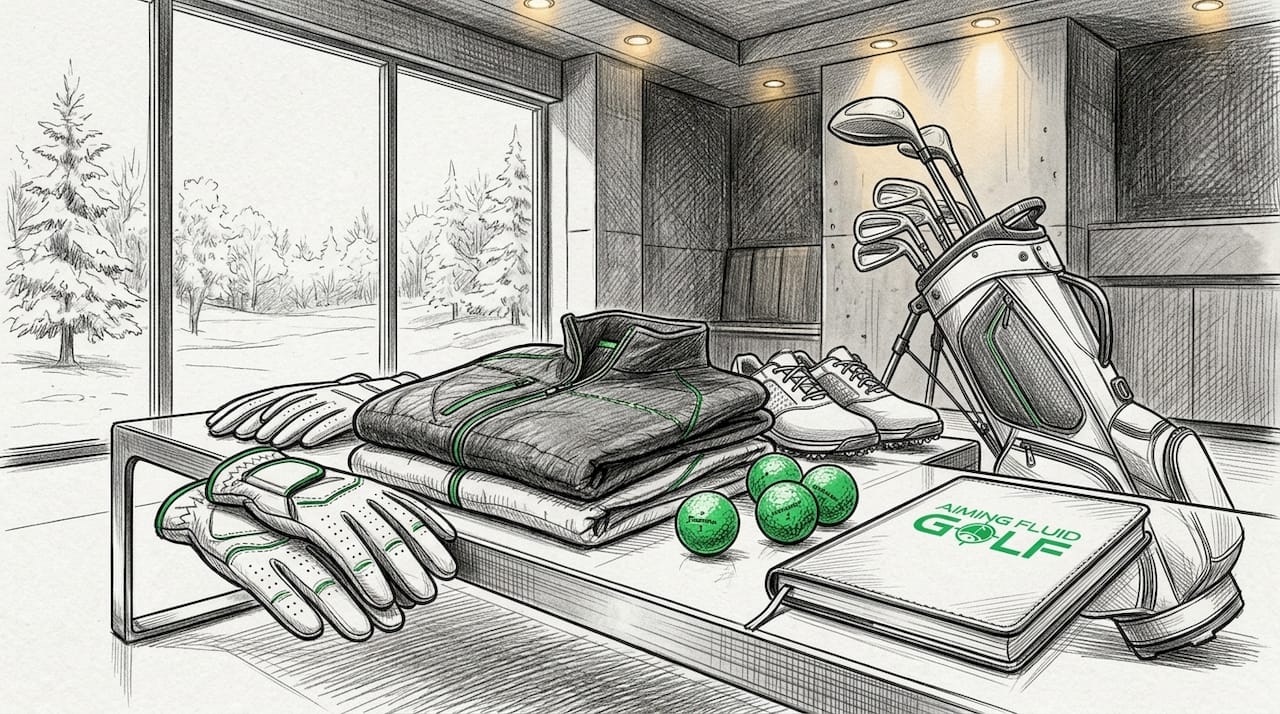
1. The cold weather golf gear checklist: core layering framework
The foundation of any gear for golfing in cold is a three-layer system: moisture-wicking base, thermal mid-layer, and wind-resistant outer shell. Layering from 50°F onward with hybrid outer garments preserves both warmth and swing mobility. This means every item you add to your bag has a specific thermal or mechanical function, not just a comfort preference. Think of it less like dressing warm and more like building a system where each layer has a job.
The three layers work together because they address three separate problems: sweat management, heat retention, and wind protection. Solving all three with one thick coat fails on every count. A bulky parka traps moisture, restricts shoulder rotation, and adds dead weight to your swing arc.
2. Moisture-wicking base layers for cold weather golf
A base layer’s job is to pull sweat away from your skin before it cools and chills you. Cotton fails completely here. It absorbs moisture and holds it against your body, which accelerates heat loss in cold air. Merino wool is the most versatile fabric for temperature regulation and warmth across conditions from 30°F to 50°F. It is also naturally odor-resistant, which matters on a five-hour round.
Synthetic blends, specifically polyester and spandex combinations, are the other strong option. Under Armour ColdGear uses a dual-layer construction with a smooth outer face and a brushed inner lining that traps heat while wicking moisture outward. Nike Victory Long Sleeve shirts use a similar polyester-spandex blend with four-way stretch, which matters for maintaining a full backswing.
| Base Layer | Material | Warmth | Stretch | Best For |
|---|---|---|---|---|
| Under Armour ColdGear | Polyester/spandex | High | Excellent | Sub-45°F rounds |
| Nike Victory Long Sleeve | Polyester/spandex | Medium | Excellent | 45°F to 55°F |
| Merino wool base layer | Merino wool | High | Good | All cold conditions |
Pro Tip: Fit your base layer snug against the skin. A loose base layer creates air gaps that reduce thermal efficiency and bunches under your mid-layer, which disrupts your swing feel.
3. Thermal mid-layers and hybrid outerwear for swing mobility
The mid-layer’s function is insulation. Fleece-lined pullovers and insulated quarter-zips trap body heat without adding significant weight or bulk. The critical design feature to look for is stretch fabric on the sleeves. Hybrid jacket construction places insulation on the core and uses breathable, stretch fabric on the arms specifically to preserve shoulder rotation. This is the standard that separates golf-specific outerwear from general winter clothing.
The Patagonia Nano Puff Vest takes this principle to its logical conclusion by removing sleeves entirely. Golfers who prioritize core warmth with vest-style insulation avoid sleeve bulk completely while keeping full arm movement. The FootJoy ThermoSeries Jacket uses a similar hybrid approach with an insulated chest panel and stretch side panels. Both are purpose-built for the golf swing.
| Outerwear Type | Swing Restriction | Warmth | Best Temp Range |
|---|---|---|---|
| Insulated vest (Patagonia Nano Puff) | None | Medium | 40°F to 55°F |
| Hybrid jacket (FootJoy ThermoSeries) | Minimal | High | 30°F to 45°F |
| Fleece quarter-zip | Low | Medium | 45°F to 55°F |
| Bulky wool sweater | High | Medium | Not recommended |
Pro Tip: Carry your mid-layer in your bag even on mild cold days. Temperatures drop fast on exposed back nine holes, and adding a layer between shots takes 30 seconds. Removing it when you warm up takes the same.
4. Cold weather golf gloves, headwear, and hand warmers
Standard leather golf gloves are not designed for cold. They stiffen in low temperatures, reduce grip sensitivity, and offer no wind protection. FootJoy WinterSof gloves use a fleece-lined construction with a windproof outer membrane that maintains grip feel down to freezing temperatures. The key difference between insulated windproof gloves and standard leather is that winter gloves are worn on both hands, not just the lead hand.
Hand warmers below 45°F are now considered standard cold weather golf equipment, not optional accessories. Cold hands create tension that travels up the arms and into the shoulders, which directly damages swing mechanics. Rechargeable hand warmers like the Ocoopa Union 5s deliver consistent heat for up to 15 hours and fit in a cart bag pocket or jacket pouch. Disposable chemical warmers work but produce inconsistent heat and create waste over a full season.
For headwear, the priorities are ear coverage and neck protection:
- Fleece-lined beanie: Covers ears fully and retains heat without adding bulk around the collar. Brands like Callaway and Titleist make golf-specific versions that fit under a hood.
- Neck gaiter: Protects the neck and lower face from wind chill without restricting head rotation. A thin merino wool gaiter adds minimal bulk.
- Thermal headband: A lighter option for 45°F to 55°F conditions when a full beanie feels excessive.
Pro Tip: Keep your hand warmers in your pockets between shots, not in your gloves. Warming your palms directly before gripping the club reduces tension. Gripping cold metal with stiff fingers is the fastest way to lose swing feel.
5. Cold weather golf balls and footwear for winter conditions
Golf ball compression becomes a performance variable in cold weather. Lower-compression balls compress more easily at the slower effective swing speeds produced by cold muscles and restrictive clothing. Switching from a high-compression tour ball to a low-compression option below 50°F preserves ball speed and compensates for cold air density. This is a measurable equipment adjustment, not a preference.
A practical trick used by experienced players: carry two or three balls in your front pocket. Body heat keeps them closer to optimal compression temperature. Rotate them out every few holes.
Footwear is equally non-negotiable in winter conditions:
- FootJoy Pro/SL: Waterproof leather upper with enhanced traction outsole. Waterproof insulated footwear outperforms summer mesh shoes in wet and cold conditions by a significant margin.
- Ecco Biom Hybrid: Gore-Tex waterproof construction with a natural motion outsole that provides grip on muddy or frost-covered turf.
- Summer mesh shoes: Not suitable below 50°F. Mesh uppers allow cold air and moisture in, and the outsoles lose traction on slick winter turf.
Traction matters more in winter than in summer. Frost and mud reduce grip at address and through impact. A shoe with multi-directional lugs or replaceable cleats gives you a stable base when the ground is uneven or soft.
6. Accessories and practical tips for cold weather rounds
Compression tights or thermal leggings worn under golf trousers serve two functions: they retain leg warmth and reduce the risk of muscle strains in cold conditions. Below 40°F, insulated trousers or thermal underlayers are mandatory for protecting the large muscle groups that drive the golf swing.
Grip maintenance is a separate problem in cold. Cold rubber grips lose tackiness, which causes club twisting through impact. A small bottle of grip spray or rosin in your bag solves this in 10 seconds. Switching to softer, corded grips for winter play is a longer-term fix that many serious players make.
- Dynamic warm-up: Complete a 10 to 15 minute warm-up before your first tee shot. Arm circles, trunk rotations, and lunges increase blood flow and preserve swing speed. Skipping this step in cold weather raises injury risk and reduces early-hole performance.
- Cart mitts: If you ride, attach insulated cart mitts to the steering wheel area of your bag. Cart chill from sitting still between shots accelerates heat loss faster than walking.
- Grip-cleaning towel: A clean, dry towel kept accessible removes moisture from grips before each shot. Aimingfluidgolf’s magnetic towel system keeps your towel attached to your bag and ready without searching through pockets.
- Extra layer in the bag: Always carry one more layer than you think you need. Weather shifts on a four-hour round, and adding a layer on hole 12 is far easier than suffering through the back nine underprepared.
Pro Tip: Walking generates natural body heat that riding in a cart does not. On cold days, walking keeps blood flow active between shots and reduces the number of extra layers you need. If your course allows it, walking in cold weather is a genuine performance advantage.
Key takeaways
A complete cold weather golf gear system requires moisture-wicking base layers, hybrid insulation that preserves swing mobility, and purpose-built accessories including winter gloves, low-compression balls, and waterproof footwear.
| Point | Details |
|---|---|
| Layer with purpose | Use three distinct layers: moisture-wicking base, thermal mid-layer, and wind-resistant outer shell. |
| Avoid bulk at all costs | Hybrid vests and jackets with stretch sleeves preserve shoulder rotation better than any thick coat. |
| Protect your hands | Winter gloves and rechargeable hand warmers below 45°F prevent tension that ruins swing mechanics. |
| Switch your golf ball | Low-compression balls maintain ball speed in cold air when high-compression tour balls lose distance. |
| Warm up every time | A 10 to 15 minute dynamic warm-up below 40°F is not optional. It reduces injury risk and protects swing speed. |
What I’ve learned about staying warm without wrecking your swing
The single biggest mistake I see golfers make in cold weather is dressing for warmth instead of dressing for performance. They show up in a thick fleece, a heavy jacket, and two pairs of socks, and then wonder why their swing feels like they are swinging through wet concrete. Warmth and mobility are not opposites. They just require the right gear choices.
My personal system for anything below 45°F: a merino wool base layer, a fleece quarter-zip, and a vest. That combination keeps my core warm, my arms free, and my swing shape intact. I added a pair of Ocoopa rechargeable hand warmers two seasons ago and I will never go back to disposable chemical packs. The consistent heat output is genuinely different.
The other thing I have changed is my approach to winter swing mechanics. Cold muscles do not rotate as freely, so I shorten my expectations on distance and focus on clean contact. A low-compression ball and a clean strike beats a full swing with stiff muscles every time. Walking the course whenever possible also makes a real difference. You stay warmer, you stay looser, and your scores reflect it.
If you are upgrading your cold weather kit incrementally, start with the base layer and the gloves. Those two changes alone will transform a miserable 40°F round into a manageable one.
— Gary
Gear up for cold rounds with Aimingfluidgolf
Cold weather rounds demand gear that works as hard as you do. Aimingfluidgolf designs accessories built for exactly this kind of play: magnetic towels that stay accessible without digging through a wet bag, utility pouches that keep hand warmers and grip spray organized, and precision tees that hold up in firm winter turf.

Browse the full selection of expert-picked golf accessories curated for performance in all conditions, including cold weather essentials. Every product in the Aimingfluidgolf lineup is chosen for function, durability, and on-course efficiency. If your bag feels like a junk drawer when you are trying to find your hand warmer on hole seven, that is the problem Aimingfluidgolf solves.
FAQ
What is the best base layer material for cold weather golf?
Merino wool and polyester-spandex blends are the two best options. Merino wool offers superior temperature regulation and odor resistance, while synthetic blends like Under Armour ColdGear provide excellent stretch and moisture management.
How do I dress for cold golf without restricting my swing?
Use a three-layer system with a fitted base layer, a fleece or insulated mid-layer, and a hybrid vest or jacket with stretch sleeves. Avoid bulky coats, which restrict shoulder rotation and reduce swing consistency.
Should I use different golf balls in cold weather?
Yes. Switch to lower-compression golf balls below 50°F. They compress more easily at the slower effective swing speeds produced by cold muscles and restrictive clothing, preserving ball speed and distance.
Are hand warmers necessary for winter golf?
Hand warmers are considered standard equipment for play below 45°F. Cold hands create grip tension that travels into the shoulders and disrupts swing mechanics. Rechargeable options like the Ocoopa Union 5s deliver consistent heat across a full round.
What footwear should I wear for winter golf rounds?
Waterproof leather or synthetic shoes with enhanced traction outsoles are the correct choice. FootJoy Pro/SL and Ecco Biom Hybrid both provide waterproofing and grip on wet or frost-covered turf. Summer mesh shoes lose traction and allow moisture in, making them unsuitable below 50°F.
Recommended
- Winter Golf Survival Guide: Gear & Tips for Rain & Cold – Aiming Fluid Golf
- Spring Golf Bag Gear Up: The Essential 7-Point Checklist & Upgrades – Aiming Fluid Golf
- How Weather-Resistant Golf Gear Elevates Your Game – Aiming Fluid Golf
- Spring Golf Essentials (2026) | Must-Have Gear to Start the Season Rig – Aiming Fluid Golf


