


TL;DR:
- Using Bluetooth trackers, proper labeling, organized storage, and protective travel measures helps golfers prevent gear loss effectively. Combining these methods creates a reliable system that minimizes on-course and during-travel mishaps. Building solid routines and habits further ensures equipment stays secure and accounted for during every round.
Gear loss prevention in golf is defined as the combination of tracking technology, systematic labeling, organized storage, and protective practices that keep your clubs and accessories from going missing during play or travel. The most effective ways to avoid lost golf gear address each failure point separately: where gear gets left behind, how it gets mixed up with others’, and why it never makes it back to you. Bluetooth trackers like AirTags, waterproof labeling systems, and docking routines inside your bag each reduce a distinct category of loss. Golfers who use all three methods together recover gear far more reliably than those who rely on any single approach.
1. How can tracking devices help you avoid losing golf gear?
Bluetooth trackers are the most direct answer to real-time loss prevention on the course. Placing an AirTag in the fleece-lined valuables pocket of your bag gives the device optimal signal transmission through fabric while keeping it hidden from view. That placement matters because metal shafts and bag dividers weaken Bluetooth signals significantly. Keeping the tracker away from those metal components maintains reliable range.
Separation Alerts are the feature most golfers overlook. Enabling Separation Alerts on an AirTag notifies you within 1–2 minutes of your bag moving out of Bluetooth range. That window is short enough to catch accidental mix-ups at the cart staging area before another group drives off with your bag.
- Activate Lost Mode immediately if your bag goes missing. This enables crowd-sourced location updates through the Find My network.
- Test your tracker signal monthly by walking 30 feet from your bag and confirming the alert fires.
- Keep the tracker charged. A dead tracker provides zero protection.
Pro Tip: Walk away from your bag at the end of a practice round and time how long it takes to receive a Separation Alert. If it takes longer than two minutes, reposition the tracker away from metal dividers.
2. What are the best labeling techniques to keep clubs from disappearing?
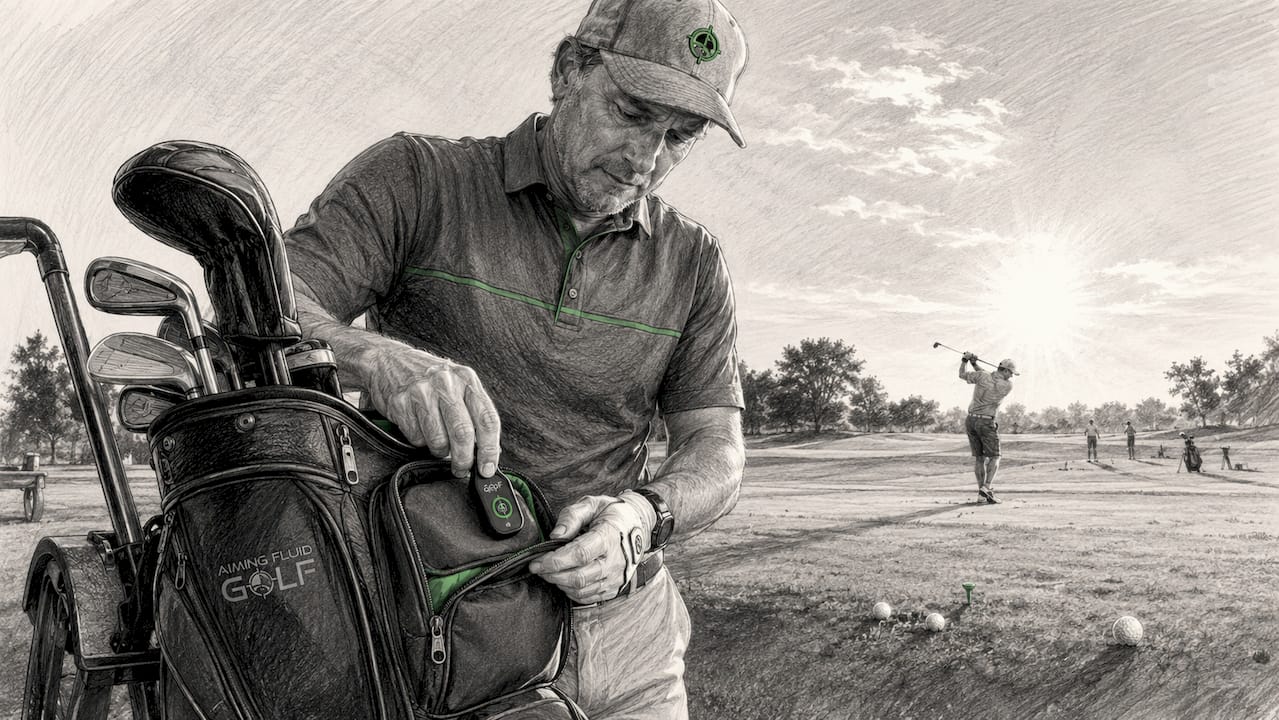
Comprehensive labeling is the most cost-effective loss prevention method available. Labeling every club with your contact information costs less than replacing a single lost club and dramatically increases the chance of recovering a full set. The common mistake is labeling only one or two clubs. A golfer who finds a stray 7-iron has no way to return it if the label is only on your driver.
Three labeling methods work reliably in outdoor conditions:
- Laser engraving: Permanent, weather-resistant, and professional. Best for club heads and shaft bands.
- Vinyl stickers: Waterproof and removable. Useful for bags, headcovers, and rangefinder cases.
- QR codes: Link directly to your contact page or a recovery form. Marking your rangefinder with a QR code deters theft and speeds up returns.
Labels must survive rain, cart washing, and bag friction. Test any adhesive label by soaking it in water for 10 minutes before trusting it on the course. For more detail on marking methods, Aimingfluidgolf covers effective gear labeling in depth.
Pro Tip: Label the inside of each headcover, not just the outside. If a headcover falls off, the club underneath still carries your contact information.
3. How to organize and secure your golf bag during rounds
Organization is not about neatness. It is about building a system where every piece of gear has one fixed location, so you notice immediately when something is missing. Consistent gear placement creates muscle memory that reduces the chance of leaving equipment behind after a shot. When your divot tool always clips to the same ring and your ball marker always sits in the same pocket, you feel the absence before you walk away.
Rangefinders are the most commonly left-behind accessory on golf carts. Attaching your rangefinder to your bag with a spring clamp or strap is more secure than leaving it magnetically stuck to a cart rail. Magnetic attachment is convenient but fails the moment you forget to retrieve it before driving to the next tee.
- Assign a dedicated pocket to each accessory category: tees, ball markers, gloves, and valuables.
- Use external attachment points for items you reach for frequently, like your towel.
- Never set a rangefinder on a cart seat. Clip it or bag it immediately after use.
Pre-scanning distances before you reach your ball reduces how often you pull the rangefinder out at all. Fewer handling events means fewer opportunities to leave it behind. Aimingfluidgolf’s guide on accessory placement covers this principle in practical detail.
4. What protective measures reduce loss and damage during travel?
Travel is where golf gear faces its highest combined risk of loss and damage. The two problems are related: damaged gear that breaks in transit often gets discarded or separated from the rest of the set.
- Remove adjustable club heads before flying. Adjustable driver and fairway wood heads create leverage stress on shafts during baggage handling. That leverage causes shafts to snap. Removing the heads and packing them in padded pockets eliminates that failure mode entirely.
- Use a stiff arm club protector. A stiff arm protector absorbs impact from baggage handlers and prevents clubs from shifting inside the bag. When a protector breaks, it has done its job.
- Choose a hard travel case. Soft travel bags compress under weight. Hard cases maintain their shape and protect against crushing.
- Secure your bag lock. Use a TSA-approved lock on your travel bag zipper. This deters opportunistic theft during baggage handling.
Pro Tip: Photograph your bag contents before checking it at the airport. If gear goes missing, that photo documents exactly what was packed and supports any claim with the airline.
| Protection method | Primary risk addressed | Approximate cost |
|---|---|---|
| Stiff arm club protector | Shaft breakage from impact | $30–$50 |
| Hard travel case | Crushing and compression | $150–$400 |
| TSA-approved bag lock | Theft during handling | $10–$20 |
| Padded headcovers | Club head scratching | $20–$60 |
Spending roughly $40 on protective travel accessories is a direct trade against potential $500-plus club replacement costs. The math is straightforward.
5. What gear management habits prevent misplacing equipment?
Habits and routines are the foundation that makes every other method work. A tracker does not help if you never check the app. Labels do not help if you leave the club on the green and walk to the next tee. The role of storage systems in preventing loss is well documented, but the habit layer is what activates those systems consistently.
- Run a post-round checklist. Count clubs before leaving the 18th green. Fourteen clubs go in; fourteen clubs come out.
- Do a cart scan before driving off each tee. Glance at the seat, the cart bag rack, and the cup holder. This takes three seconds and catches most on-course losses.
- Keep valuables out of sight. A rangefinder or wallet left visible on a cart invites theft. Bag it or pocket it when you step away.
- Use weather-resistant gear. Equipment that survives rain and mud stays in play longer and requires less emergency handling that leads to misplacement. Aimingfluidgolf’s overview of weather-resistant golf gear explains why material choice affects durability and retrieval speed.
- Set a phone reminder for post-round bag checks. A 30-second alert after every round prompts you to verify all gear is accounted for before leaving the parking lot.
The golfers who lose gear most often are not careless. They are distracted. Checklists and routines remove the need to remember under pressure.
Key takeaways
The most reliable way to prevent losing golf equipment is to combine Bluetooth tracking, full-set labeling, fixed storage positions, and protective travel practices into one consistent system.
| Point | Details |
|---|---|
| Use Bluetooth trackers correctly | Place trackers in fleece-lined pockets away from metal to maintain signal strength. |
| Label every club, not just a few | Full-set labeling with waterproof methods maximizes recovery chances at minimal cost. |
| Assign fixed spots for all accessories | Consistent placement builds muscle memory and makes missing gear immediately obvious. |
| Protect gear during travel | Remove adjustable heads and use a stiff arm protector to prevent shaft damage and loss. |
| Build post-round check habits | A 14-club count and cart scan after every hole catches most on-course losses before they happen. |
What I’ve learned after years of watching golfers lose gear
The single biggest mistake I see is treating gear loss as bad luck. It is not. Every lost club, rangefinder, or glove follows a predictable pattern: the golfer deviated from their routine, left an item in a non-standard location, and walked away before noticing. Bad luck is rare. Broken habits are common.
The second mistake is relying on one method alone. A tracker without labels means a found bag cannot be returned if the battery is dead. Labels without organization mean you still leave the club on the green. These methods reinforce each other. The golfer who uses all of them together loses gear at a fraction of the rate of someone who uses just one.
My practical recommendation for 2026: start with labeling because it costs almost nothing and works even when technology fails. Add a tracker second. Build your bag organization system third. Travel protection comes last because it only applies to a subset of rounds. Layer these in that order and you will spend far less time retracing your steps and far more time focused on your game.
— Gary
Gear built to stay where you put it
Aimingfluidgolf designs accessories specifically for golfers who want their gear accessible, organized, and secure during every round.
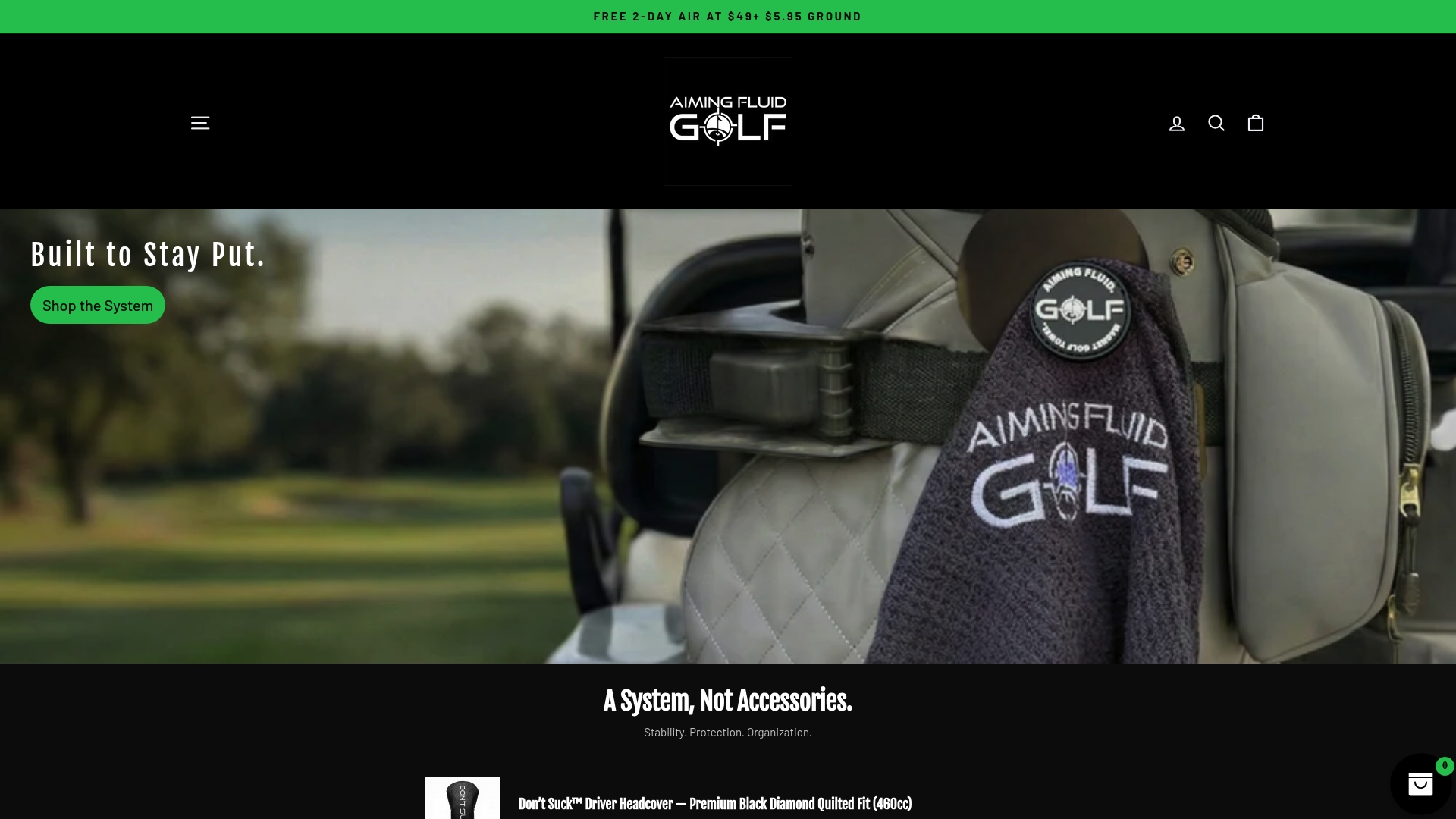
The magnetic golf towel system attaches firmly to your cart or bag and returns to the same spot every time, eliminating the most common cause of towel loss on the course. The leather utility pouch keeps valuables, ball markers, and small accessories in one secured location with a 360-degree metal clip that stays put. For a full list of organization and security accessories, the expert picks guide covers the complete Aimingfluidgolf lineup with context for every type of golfer.
FAQ
How do I track golf clubs if they go missing?
Place a Bluetooth tracker like an AirTag in your bag’s fleece-lined valuables pocket and enable Separation Alerts. If your bag moves out of range, you receive a notification within 1–2 minutes.
What is the best way to label golf clubs?
Label every club with waterproof contact information using laser engraving, vinyl stickers, or QR codes. Labeling only one or two clubs is a common mistake that leaves most of your set unidentifiable if lost.
How do I secure a rangefinder on the course?
Attach your rangefinder to your bag with a spring clamp or strap rather than leaving it on a cart rail. Pre-scanning distances before reaching your ball also reduces how often you handle the device.
What should I do before flying with golf clubs?
Remove adjustable driver and fairway wood heads before checking your bag, and use a stiff arm club protector inside the travel bag. This eliminates the leverage stress that causes shaft breakage during baggage handling.
How many clubs should I count after each round?
Count all 14 clubs before leaving the 18th green. A full count takes under 30 seconds and catches any club left on the course before you reach the parking lot.
Recommended
- How to Organize Your Golf Bag Like a Pro: The Peter Finch Method – Aiming Fluid Golf
- Personal gear in golf: cut retrieval time by 50% – Aiming Fluid Golf
- Spring Golf Bag Essentials: 5 Items to Replace Before Your First Round – Aiming Fluid Golf
- Spring Golf Bag Gear Up: The Essential 7-Point Checklist & Upgrades – Aiming Fluid Golf


